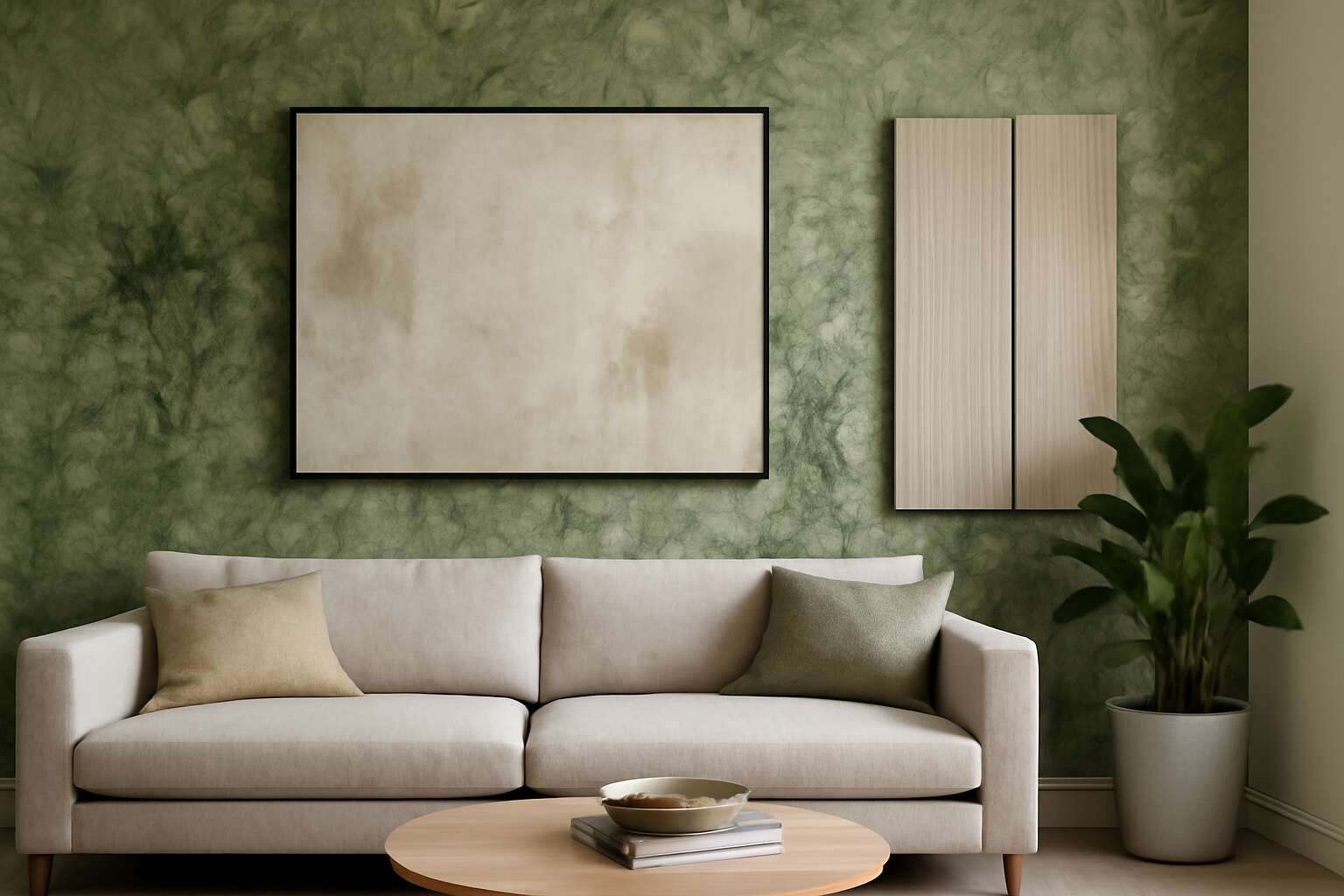
Understanding seepage and its impact
Causes of wall seepage and common hotspots
A damp wall isn’t simply moisture; it’s a confession etched into plaster. ‘Water never hides; it reveals,’ a line borrowed to describe stains blooming in a living room corner. Understanding seepage means reading its patient crawl—the way moisture climbs brick and plaster, shaping mood as it travels. In South Africa, dampness gnaws at comfort and value, and the idea of wall decor to hide seepage is a design language that acknowledges reality.
Causes of wall seepage hide in plain sight, wearing the mask of weather and wear. Common hotspots:
- Foundation corners where water pools at base
- Low sills trap damp against external walls
- Bathrooms and kitchens with hidden plumbing leaks
- Exterior walls with poor drainage after rains
Decor choices that acknowledge moisture can transform the room, guiding the eye with rhythm and light. Embracing patterns that distract from stains and calm tones turns space into a quiet testament to resilience.
Visible signs of seepage behind walls
Understanding seepage is less a puzzle of plumbing than a choreography of moisture. When walls breathe damp, the room reimagines light, mood, and space—stains bloom in corners, plaster remembers every rain, and paint softens into memory. In this context, wall decor to hide seepage emerges as a design language that respects the wall’s confession while guiding the eye toward texture and calm. South Africa’s climate makes these conversations tangible; the aim is a room that feels safe, refined, and resilient.
Visible signs behind walls offer a quiet map for decorating. The signs themselves are clues, not catastrophes, and they invite textures, patterns, and tones that act as a counterpoint to moisture. Consider:
- Discoloration and staining that follows the grain of plaster
- Efflorescence—chalky blooms on masonry
- Peeling or bubbling paint and wallpaper
- A persistent musty scent that lingers in corners
These decor choices transform space into a quiet testament to resilience, letting light play across textures while whispers of moisture recede into the background with elegance.
Health and structural risks of damp interiors
In South Africa, up to a third of homes contend with damp interiors at some point—a stat that reads like a weather forecast for our walls. Understanding seepage is a conversation between moisture and material, a slow waltz that leaves rooms tasting of rain and memory.
Health considerations whisper first: damp air can nurture mold and trigger allergies, turning calm corners into pinprick breaths of discomfort. Structurally, if the wall drinks too much, timber swells, plaster strains, and the glaze of paint loses its grip. In this light, wall decor to hide seepage becomes a refuge, not a denial, guiding the eye toward texture and warmth while the wall’s confession remains felt, not shouted.
- Health risks: mold, respiratory irritation, and allergies
- Structural risks: wood rot, plaster failure, and fastener corrosion
Why concealment with decor can be a practical option
South Africa battles dampness with stubborn optimism; up to a third of homes report seepage at some stage, a phenomenon that sounds suspiciously like a weather forecast for your walls. Understanding seepage is a dialogue between moisture and material, a slow waltz where plaster sighs and timber swells. Concealment with wall decor to hide seepage offers a practical option: it guides the eye toward texture and warmth, while the wall’s confession remains subtle rather than shouting from the hallway.
Smart decor reframes flaws as character rather than catastrophe, giving rooms a calm, curated feel. With the right balance of tone, texture, and light, damp corners can fade into the background, letting furniture and art take the spotlight while the structural story waits in the wings.
Design strategies to conceal damp walls with decor
Art and wall hangings as camouflage
In a country where rain dances on brickwork, a decent interior can still look sharp—until damp decides to stage a cameo behind the plaster. Designers now lean on wall decor to hide seepage, turning a potential eyesore into a curated moment of style.
Art and wall hangings become camouflage not just for looks, but for a bit of practical psychology: generous scale, layered textures, and strategic placement shift attention away from damp patches while you tackle the root cause.
- Choose large, bold pieces that dominate the field of view
- Use a gallery wall with varied frames to create visual depth
- Incorporate reflective surfaces to bounce light away from moisture hotspots
In the SA context, consider materials that tolerate humidity and colours that disguise staining; using wall decor to hide seepage helps maintain aesthetics while awaiting remediation.
Decorative panels and textured wallpapers
In South Africa’s humidity, damp walls dim a room’s mood. Designers turn the unseen into a feature: “moisture never takes a bow; it waits behind the plaster,” says an industry voice. Wall decor to hide seepage becomes strategic theatre, guiding the eye as remediation unfolds.
Decorative panels offer a robust shield. Opt for moisture-resistant options—PVC, cement-based, or sealed timber—arranged in large, uninterrupted fields that swallow patches and add tactile depth.
Textured wallpapers add camouflage. Choose vinyl or non-woven finishes with bold weaves and matte textures to soften edges. In SA climates, select breathable yet water-resistant varieties that endure humidity.
- Decorative panels that are moisture resistant and provide depth
- Textured wallpapers that mask damp patches
- Strategic lighting to illuminate the decor and distract from hotspots
Strategic layout to distract the eye
South Africa’s muggy seasons turn quiet hallways into dampened rooms. In urban homes, up to 40% report damp patches that steal light and mood. Design strategies to conceal damp walls with decor act like stage lighting, drawing attention away from the trouble spots and toward crafted surfaces. Wall decor to hide seepage becomes a deliberate narrative, guiding the eye while remediation does its work.
- Moisture-resistant panels in large uninterrupted fields
- Bold textured wallpapers with breathable finishes
- Focused lighting to illuminate decor and soften hotspots
Rethink scale, rhythm, and color to keep damp visually distant. With deliberate placement and balanced texture, your space feels calm while the root cause is pursued behind the scenes.
Lighting tricks to minimize damp appearance
In South Africa, muggy seasons turn quiet hallways into damp rooms. The right wall decor to hide seepage helps keep light and mood intact while remediation moves quietly behind the scenes. Damp patches steal warmth; a deliberate aesthetic reframes the space with calm, crafted surfaces.
Lighting tricks minimize damp appearance by guiding the eye toward texture and color. Angles of light wash walls softly, erasing harsh shadows. Warm, even tones reduce glare on damp spots. Mirrors and reflective surfaces help scatter brightness, pushing hotspots toward the back of the room. I’ve seen how warm light can make a damp patch recede in perception.
Scale, rhythm, and color become the toolbox. With deliberate placement and balanced texture, wall decor to hide seepage supports a calm interior while the root cause is addressed. The result feels purposeful, not a hiding act!
Using mirrors to redirect attention
In South Africa’s muggy seasons, damp corners can steal up to 30% of a room’s perceived light, and yet mirrors offer a quiet rebellion. Even the wall decor to hide seepage becomes a choreography of reflection, redirecting attention rather than erasing reality. When a mirror greets the eye opposite a dull patch, it refracts hope and doubles brightness, staging a deliberate illusion of air and ease.
Key moves include:
- Position mirrors to bounce daylight from windows toward the suspect wall, softening the patch.
- Choose rounded or elegant frames to draw the eye away while keeping the space cohesive.
- Group a few small mirrors in a vertical rhythm to guide gaze upward and outward.
Framing textures, subtle color plays, and the sparing use of reflective surfaces create a narrative where damp is observed, not overwhelmed — a design ruse that respects structure while celebrating space!
Practical materials and installation tips
Moisture-resistant decor options
Seepage isn’t shy; it loiters at the edges and turns rooms into a damp drama. In SA homes, humidity can push cooling costs up by as much as 15% and crank mould risk through the roof—so it’s time to treat walls with a plan.
Practical materials and sensible installation are your first defence. Choices like cement-fibre boards, moisture-resistant plaster, and vinyl-coated panels stand up to damp while staying stylish. For a calmer wall, consider these moisture-resilient backings:
- Cement-fibre boards for backing panels
- Moisture-resistant plaster or skim coats
- Vinyl-coated or PVC panels for easy maintenance
Finish with ventilation and sensible finishes to keep air moving. Avoid porous fabrics behind panels; consider thoughtful edge details to let the room breathe. Using wall decor to hide seepage becomes smart and stylish.
Prep work and sealing before installation
Backsplashing damp is a party crasher, not a feature. Before you hang wall decor to hide seepage, lock down the basics: dry, repair, and breathe. In SA homes, humidity can linger longer than a braai guest, so test surfaces, patch cracks with flexible filler, and plan moisture management before you decide on a finish.
- Cement-fibre boards for backing panels
- Moisture-resistant plaster or skim coats
- Vinyl-coated or PVC panels for easy maintenance
Finish with ventilation and sensible finishes to keep air moving. Avoid porous fabrics behind panels; edge details that let the room breathe matter as much as the decor. All told, this prep powers your wall decor to hide seepage with confidence and style.
Adhesive choices for damp surfaces
“Damp is the silent predator,” a SA renovator likes to say, and it isn’t folklore—it’s a creeping reality. For wall decor to hide seepage, start with the right bonding and a dry stage. Moisture-rated adhesives and compatible substrates keep the scene intact long before you hang anything.
Adhesive choices for damp surfaces should favor flexibility over brute strength. Use products labeled damp-rated and compatible with plaster or cement boards. The goal is to allow slight movement without cracking, while resisting moisture.
- Flexible, moisture-tolerant adhesives formulated for damp environments
- Polymer-modified thinset for secure backing panels
- High-tack polyurethane pastes for vertical installs
Match the adhesive to your backing and finish; test a small area first, and follow open time guidelines so the finish sits true. This careful pairing helps the decor stay sharp.
Maintenance considerations during installation
Practical materials begin with a moisture-smart foundation. For wall decor to hide seepage, a breathable, moisture-tolerant layer behind the finish helps the surface stay crisp even as humidity swells the air. In SA homes, coastal humidity is a quiet antagonist. Choose backing boards rated for damp spaces, and pair them with a polymer-modified thinset or flexible adhesive that accommodates slight movement without cracking.
Maintenance during installation matters as much as the materials themselves. Keep the workspace dry, control humidity during cure, and only handle finishes after the substrate has settled. Test a small area first, then read open time guidelines to ensure the finish sits true. It’s a quiet pact with the walls, a discipline that makes wall decor to hide seepage endure rather than merely exist.
- moisture-tolerant adhesives
- cement or plaster backing boards
- sealed decorative panels or moisture-resistant wallpapers
When to replace moisture-affected sections
Practical materials form the quiet backbone of wall decor to hide seepage. Start with a breathable substrate and a damp-tolerant finish that lets moisture move without swelling. In coastal South Africa, smart choices save time and preserve crisp lines, letting the room breathe even when humidity climbs.
Installation tips keep the process steady: keep the workspace dry, control humidity during cure, and test a small area before committing. When moisture lingers or shows through, replace the affected sections to protect the whole wall rather than chase patches.
- Visible swelling or buckling
- Persistent staining or mold
- Delamination or peeling finish
Color, texture, and pattern guidelines to hide imperfections
Light color palettes to brighten damp spots
Color is the first line of defense against damp realities. Light palettes—soft whites, warm beiges, and pale stone—bounce daylight and render moisture less conspicuous, letting wall decor to hide seepage gracefully while preserving a sense of airiness in South African homes.
Texture matters as much as hue. To camouflage flaws, lean into matte or low-sheen surfaces, linen-like weaves, subtle damask, or grasscloth. Large-scale patterns break the eye away from small imperfections. Consider this quick guide:
- Matte finishes in pale tones
- Gentle textures such as linen, plaster, or cotton-backed wallpapers
- Large, irregular patterns that draw attention from blemishes
Pattern and composition should harmonize with natural light: airy florals, soft geometrics, or abstract mosaics that shimmer at dusk! Avoid high-contrast palettes that intensify damp patches; instead, favor cohesive tones that calm the eye and extend the room’s perceived height.
Textures and patterns that disguise moisture
In a room where dampness lingers, color is the sorcerer’s cloak. A local South Africa study notes 68% of homes contend with hidden seepage affecting living spaces—yet the right palette can shrink those shadows and restore airiness.
Color stays brave when paired with texture. Soft whites, warm beiges, and pale stone bounce daylight and render moisture less conspicuous, letting wall decor to hide seepage become a strategic ally.
- Matte finishes in pale tones
- Linen-like textures or plaster-backed wallpapers
- Large-scale patterns that draw attention away from small imperfections
Pattern and composition should harmonize with natural light: airy florals, soft geometrics, or abstract mosaics that shimmer at dusk. Avoid high-contrast palettes that intensify damp patches; instead, cohesive tones calm the eye and extend the room’s perceived height.
Finish choices and sheen considerations
In South Africa, 68% of homes wrestle with hidden seepage that gnaws at living spaces. Color is the sorcerer’s cloak, making damp corners vanish. Wall decor to hide seepage becomes a quiet shield, preserving airiness even when moisture hums in the walls.
Choose soft whites, warm beiges, or pale stone; they bounce daylight and soften damp patches. Matte pale tones, linen-like textures, and plaster-backed wallpapers work in concert to diffuse reflections and texture.
- Matte finishes in pale tones
- Linen-like textures or plaster-backed wallpapers
- Large-scale patterns to draw attention away from flaws
Pattern and composition should harmonize with natural light: airy florals, soft geometrics, or abstract mosaics. Avoid high-contrast palettes; cohesive tones calm the eye and extend the room’s perceived height, letting wall decor to hide seepage remain elegant.
Using pattern scale to influence perception
In South Africa, 68% of homes wrestle with hidden seepage, turning corners into quiet riddles. Color is the sorcerer’s cloak, and wall decor to hide seepage becomes the hush that keeps rooms breathing.
Matte pale tones, linen-like textures, and plaster-backed wallpapers diffuse reflections and soften damp shadows. They turn a problematic wall into a canvas that reads as calm rather than an expose.
Pattern scale does perceptual lifting. Dense, large-scale motifs draw attention away from flaws, while mid-scale repeats create a gentle rhythm. Small textures keep light moving and moisture from shouting.
- Large-scale motifs blur edges and create distance
- Medium-scale geometric repeats offer a quiet rhythm
- Fine textures catch light without glare
Pattern and composition should harmonize with natural light, using airy florals or soft geometrics to extend perceived height. Cohesive tones rather than high contrasts keep the room expansive and serene.
Maintenance, transparency, and long-term moisture control
Regular inspection and mold prevention routines
Damp is the quiet thief of light, draining a room of its sunlit charm. In South Africa’s climate, this intruder hides in walls and corners, turning evenings from bright to brooding. A telling statistic—damp festers in up to one in three homes—reminds us that protection is as much about artistry as it is about science.
Maintenance, in this saga, is honesty dressed in textiles. Transparent choices keep damp from dictating mood. Regular inspection and mold prevention routines guard long-term moisture control, letting wall decor to hide seepage do its camouflage without erasing truth.
Consider these facets as you steward the space:
- Humidity balance and airflow awareness
- Materials chosen for damp resilience
- Textures and motifs that celebrate clarity
Cleaning methods for damp-prone walls
Maintenance is honesty dressed in textiles, a vow to keep spaces luminous even when moisture lingers. In many SA homes, damp is the quiet intruder that asks for a mindful approach to decor. Wall decor to hide seepage becomes art and shield—a balance between beauty and truth, modular and resilient.
Cleaning methods for damp-prone walls can be framed as a philosophy rather than a procedure. Consider these considerations:
- Delicate surface care that respects plaster and paint
- Non-abrasive cleaners and soft cloths to minimise abrasion
- Designs that allow airflow and moisture to vent rather than trap
Long-term moisture control rests on transparent choices, breathable finishes, and a rhythm of careful inspection. Fine fabrics, proper seals, and material resilience shape a space that remains luminous while damp is kept at bay.
Budgeting for remediation and decor upgrades
In the SA home, damp is the quiet intruder that erodes spaces rather than surfaces. A designer once whispered, “Damp is the stealthy thief of light”—and I’ve seen it shift mood and texture, turning bright corners into guarded refuges where fabric and art become resilience.
Maintenance is a philosophy: transparent choices, breathable finishes, and coatings that invite airflow rather than trap moisture. When we lean into wall decor to hide seepage, we craft an honest elegance—honouring the truth of damp while preserving warmth and character.
Budgeting for remediation and decor upgrades frames the journey with clarity. The following elements help align costs with lasting impact:
- Assessment and humidity testing
- Breathable finishes and sealants
- Moisture-resistant panels or linings
- Flexible wall decor that respects airflow
When to consult professionals and building codes
“Damp is the stealthy thief of light,” a designer once whispered. In SA homes, maintenance is a philosophy: transparent choices, breathable finishes, and coatings that invite airflow rather than trap moisture. When wall decor to hide seepage is chosen, it must feel honest—preserving warmth and character while acknowledging damp’s presence.
Long-term moisture control relies on materials and textures that breathe. Avoid sealed surfaces that lock humidity in; opt for breathable finishes and decor that respects airflow. The result is spaces that read welcoming, not compromised.
When to consult professionals and build to code matters. Building codes govern permits, ventilation expectations, and safe installation—so bring in an expert before major changes. A meticulous assessment aligns beauty with safety.
- Moisture assessment and humidity checks
- Local building codes and permit pathways
- Decor choices that preserve airflow




0 Comments