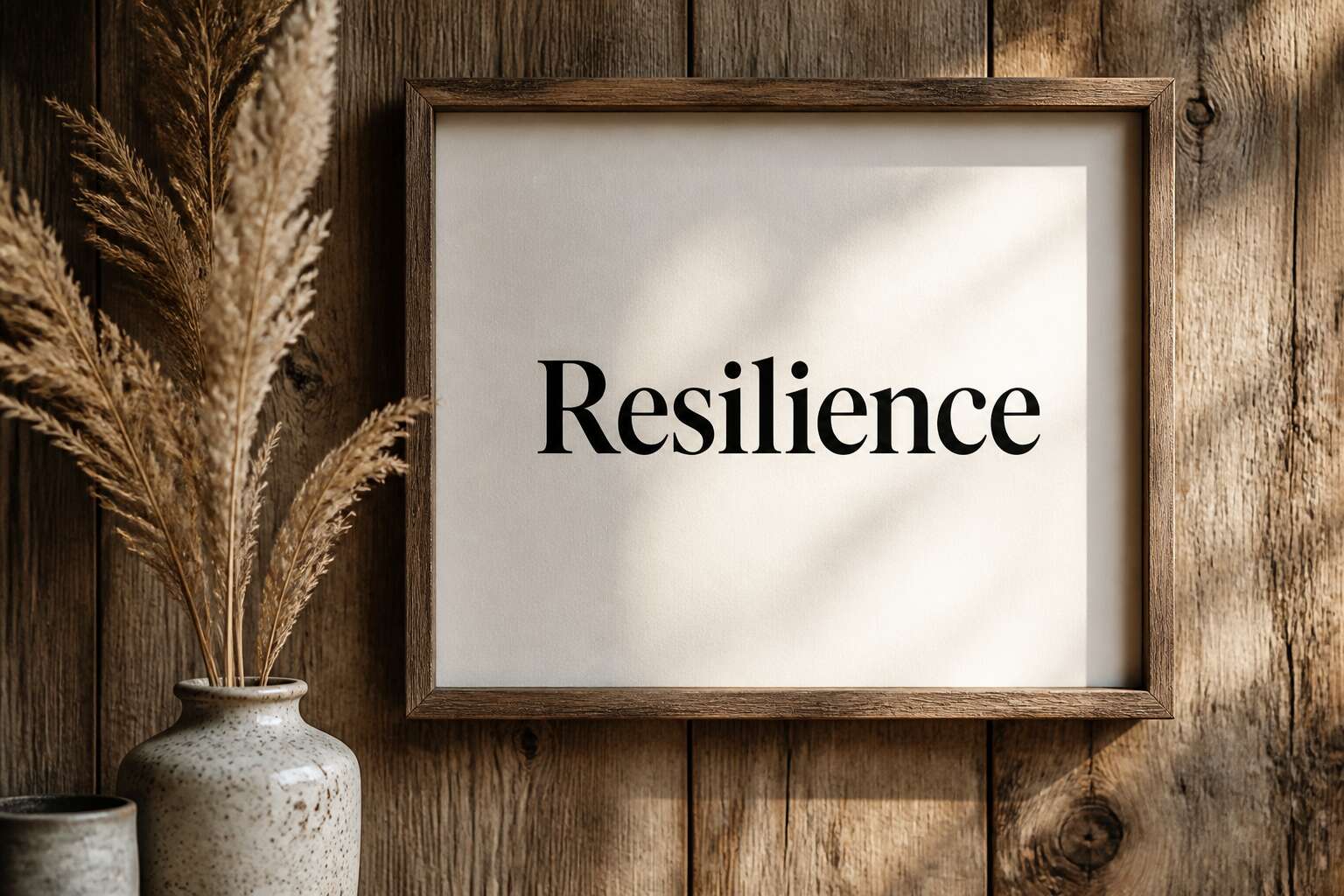
The Psychological Foundation of Motivational Wall Art
How Visual Cues Affect Daily Mindset
Research in cognitive science shows that our brains process visual information faster than text, making imagery a direct pathway to our emotional centers. This is why resilience wall decor in your home or office works on a subconscious level, reinforcing your internal narrative before you even form a conscious thought. The right visual cues can shift your mental state from distraction to determination in seconds.
In a South African context, where we navigate unique daily challenges, the environment we create for ourselves becomes a powerful tool. A carefully chosen piece of resilience wall decor serves as a quiet anchor, reminding you of your steadfastness during a difficult meeting or a personal setback. It is not about mere decoration; it is about strategic psychological positioning for mental strength.
To maximize this effect, consider the following principles when selecting a piece:
– Placement: Position it where you need encouragement most, such as a home office wall or near a workspace.
– Message: Choose words or imagery that resonate with your personal values over generic slogans.
– Colour: Introduce hues that evoke calm or energy, depending on the mood you need to cultivate.
Ultimately, surrounding yourself with deliberate visual reminders builds a mental armour. Each glance at your resilience wall decor quietly reinforces your capacity to endure, turning your physical space into a wellspring of inner fortitude. This consistent, subtle repetition is what bridges the gap between momentary motivation and lasting resilience.
The Role of Color Psychology in Perseverance
The psychology of color is a formidable tool in shaping our daily mindset. Strategic hues can alter your emotional baseline before you even process the visual consciously. This is the foundational principle behind selecting effective resilience wall decor; it is a design choice that serves as a constant, subtle psychological cue for persistence.
In the South African context, where the pace of life and socio-economic pressures can be intense, your environment needs to work for you. Choosing resilience wall decor involves a deliberate palette. Consider these psychological triggers:
– Earthy Terracotta: Grounds the mind, evoking stability and a connection to the landscape.
– Deep Forest Green: Signals growth and renewal, reinforcing the idea of moving forward.
– Muted Ochre: Infuses warmth and energy without the aggression of bright reds, promoting endurance.
The right shade can transform a wall from a passive surface into an active anchor for your mental fortitude. By integrating these color principles, your space becomes a testament to your capacity to withstand and adapt.
Symbolism and Metaphors That Resonate Deeply
We often mistake a resilient mindset for a trait born in isolation, a private triumph of the will. Yet the spaces we inhabit participate in our psychological endurance more than we realize. Your home serves as a pressure valve for the stresses of daily life, absorbing the shock of a difficult commute or a taxing day. The deliberate placement of resilience wall decor can function as a structural support for your determination. It communicates a silent message of capability to your subconscious, reinforcing your agency when circumstances feel precarious. This is not about grand gestures, but about creating a backdrop that fortifies your inner resolve.
Our attraction to certain objects and imagery is rarely accidental; it is an instinctual pull toward symbolic meaning. Symbolism offers a complex visual language through which we can converse with our own experiences without saying a word. The right piece can build a psychological bridge between who we are and who we aspire to be. When selecting resilience wall decor, look for elements that suggest forward momentum or quiet strength. Consider how a representation of a deep root system or a minimalist line of a mountain ridge might alter the room’s emotional geography. This approach to wall art anchors your daily reality to a larger narrative of persistence, making abstract concepts feel tangible and controllable.
Selecting Aesthetic Styles and Durable Materials
Minimalist Typography vs. Bold Statement Pieces
The longevity of a piece often begins with its physical composition. Select materials that can withstand the daily friction of life, such as powder coated metal or kiln dried wood, so the investment in your resilience wall decor is not undermined by fading or warping. These foundations support the visual weight of the message without demanding constant maintenance.
Style selection is an act of self definition. I find that minimalist typography functions as a quiet anchor, offering a daily reminder that is both elegant and unobtrusive. Conversely, bold statement pieces act as a powerful declaration of intent, demanding attention and sparking conversation. Consider the energy of the room and the specific affirmation you need most.
– A clean, single word like “Bounce” offers clarity.
– A multi line quote provides narrative depth.
– An abstract shape suggests motion without text.
Your choice between a subtle whisper and a confident shout shapes the room’s atmosphere. For a home office, a simple, strong font can steady your focus. For a living area, a vibrant piece can energize the entire household. The best resilience wall decor aligns with your personal aesthetic while reinforcing the strength you cultivate daily.
Natural Wood, Metal, and Canvas Options
Patina is a record of endurance. The raw grain of natural wood or the weathered face of powder coated metal tells a story of years, not just days. When you choose resilience wall decor, the physical substance must carry the same weight as the sentiment. A kiln dried solid oak panel feels substantial because it is substantial. Canvas, stretched tight and treated with a protective finish, offers a softer texture while still holding its shape against the harsh South African sun.
Material choice defines the character of the room. I have seen a raw steel piece anchor a minimalist Johannesburg loft, its industrial edge demanding a certain respect. In a coastal home, a canvas print holds color without the warping that plagues cheaper composites. The selection is not about mere decoration. It is about choosing a companion for the long haul, an object that will not betray its promise when the environment turns hostile.
Consider what each surface brings to your daily life:
– Natural wood warms a space with its organic lines and irregular knots, grounding the message in nature.
– Powder coated metal resists scratches and rust, ideal for high traffic hallways.
– Treated canvas offers a lightweight flexibility, perfect for renters who move their sanctuary often.
The aesthetic of your resilience wall decor should mirror the texture of your own persistence. A smooth, matte finish whispers quiet confidence. A rugged, textured surface speaks to grit. The room feels different when the material matches the message, creating a cohesive narrative that your eyes can trust. This alignment between form and function is where the true investment lies.
Incorporating Inspirational Quotes from Literature and History
A single line from a weathered philosophy book can feel like a secret kept in a drawer. But when you choose resilience wall decor that lifts those words onto polished stone or forged iron, the message finally breathes. Selecting the aesthetic means listening for the echo in the material. A smooth, river washed finish softens a strict verse, while a brutal concrete surface grounds a line from Maya Angelou in the present tense.
I envision the quote as a seed. What soil does it need to root? A classic serif thrives on hand troweled plaster. A modern sans serif finds its home on stained steel. Ask how the texture speaks to the historical period of the phrase.
- Ragged edges suit anonymous folk wisdom.
- Polished brass makes a line from history feel like a family heirloom.
The material becomes the custodian of the story. A quiet pact among you, the author, and the years.
Balancing Modern and Rustic Themes
How to Match Your Decor with Your Interior Design
The persistent hum of Eskom’s load shedding schedule is a daily reality for many South Africans, a fact that shapes how we build our sanctuaries. Selecting resilience wall decor that endures the physical environment and your personal taste requires a deliberate focus on structural integrity rather than fleeting trends. When choosing materials, you prioritize longevity; powder coated steel and treated timber withstand the highveld’s punishing UV rays and coastal humidity without warping or fading.
Sourcing pieces that offer a tactile, substantial presence means your investment maintains its character. Look for hand forged iron elements or solid hardwood frames that age gracefully. For a seamless integration into your living space, match your decor with your interior design by considering the existing palette and texture profile. A minimalist apartment benefits from a single, monolithic metal sculpture, while a farmhouse interior might call for reclaimed yellowwood.
Consider these material options for their specific strengths:
– Corten steel: Develops a protective rust layer, perfect for outdoor garden walls.
– Powder coated aluminium: Lightweight and resistant to corrosion for interior feature walls.
– Recycled hardwood: Offers unique grain patterns and inherent strength.
The aesthetic style you choose should mirror the temperament of the home. A bold, abstract piece in burnt orange and charcoal can anchor a neutral lounge, providing a focal point that speaks to perseverance. Alternatively, a series of smaller, interlocking ceramic tiles creates a mosaic of continuity across a hallway. Every element should feel intentional, ensuring the resilience wall decor becomes a permanent, functional part of your daily landscape rather than an afterthought. Elegance emerges from the honesty of the materials and their ability to weather the storms of daily life.
Determining the Optimal Placement for Daily Inspiration
High Traffic Areas: Entryways and Hallways
Entryways establish the character of a home. In these high traffic zones, resilience wall decor should sit at eye level, directly in the gaze path of anyone stepping inside. A narrow hallway, by contrast, requires spacing and rhythm over bold statements. Each frame needs sufficient spacing, allowing the eye to travel without strain.
For daily inspiration, I’ve found placement must match actual movement patterns. A mirror opposite a window can cast light onto your resilience wall decor, making it prominent without clutter! Position artwork near a light switch or door handle, where you pause each day. These micro-moments of stillness reinforce the message of fortitude. Each spot changes the interaction. The entrance demands recognition, while a corridor rewards slower contemplation. In homes with several entrances, rotate the focus by usage, ensuring the piece appears where you transition from outer to inner worlds.
Home Office and Workspace Strategies
Load shedding might plunge your lounge into darkness, but it should never dim your spirit. That is where resilience wall decor earns its keep. It is not about a pretty picture. It is about a daily, visual anchor that reminds you to push through the endless stage four schedules and municipal hiccups.
Your walls are prime real estate. In a country where we spend so much time navigating uncertainty, the space above your couch should offer stability. Forget generic landscape prints. Select pieces that speak to endurance. Think of a bold, typographic print stating “Still Here” or a textured metal sculpture that captures the ruggedness of the Karoo. These items do more than fill space; they fortify your mindset. When the Wi-Fi drops for the third time, that visual cue steadies your nerves.
Placement matters more than you think. You might be tempted to hang your favourite piece in the dining room, but consider your high-traffic zones. The hallway is where you transition from work stress to home life. Positioning a resilient quote there primes your brain for decompression. In the home office, where deadlines loom, a piece depicting a strong aloe plant surviving the drought serves as a subtle nod to your own capacity to deliver. It is a quiet, constant affirmation that you are built for the long haul.
To make this concept work effectively, you need a strategy. It is not just about hammering a nail.
– Mix Materials: Pair a raw, reclaimed wood frame with a sleek, modern print. This contrast mirrors the blend of tradition and progress that defines South African living.
– Colour Psychology: Choose hues of burnt orange or deep terracotta. These colours evoke the earth and warmth, subconsciously promoting a sense of groundedness.
– Scale Matters: A single, massive piece can dominate a room, but a curated grid of smaller, resilient symbols creates a story of collective strength.
Of course, you are not just decorating for the aesthetic. You are curating an environment that fights back against the daily grind. A wall that reflects persistence helps you transition from surviving to thriving. When you walk past that piece of resilience wall decor on your way to brew another batch of coffee, you are reminded that you have weathered every storm so far.
This approach also extends to your choice of texture. A woven fibre art piece, crafted by a local artisan, carries the narrative of patience and skill. It is a tangible connection to the hands that made it, reminding you that everything of value takes time to build. Unlike a mass-produced canvas, these pieces have a soul. They carry the dust of the workshop and the intention of the maker, adding a layer of authenticity to your space that no filter can replicate.
So, look at your blank walls. They are not just barriers; they are blank canvases for your endurance. Choose images that reflect the strength of the fynbos after a fire, or the resilience of the springbok in the Free State. Let your home tell the story of a nation that adapts, pushes forward, and remains standing. That is the true power of decor. It is a silent pep talk waiting to happen, a daily reminder that you are as unbreakable as the spirit you hang on your wall.
Bedroom Retreats and Personal Sanctuaries
Your bedroom is a private space. It is where you decompress from external noise. The optimal placement for resilience wall decor rests in your direct line of sight from the bed. That first glance upon waking shapes your mindset for hours. Hang a piece where morning light catches it, not behind a door or wardrobe. The wall opposite the bed often works best, especially if you wake with a jolt.
Consider these spaces:
- The foot of the bed for moments of sitting up.
- The corner beside your reading lamp for late night doubts.
- The wall above your dresser for self reflection.
These positions create a personal sanctuary that speaks to endurance without demanding attention. The decor simply exists, an anchor against the day’s unpredictability.
Living Room Focal Points and Gallery Walls
The living room asks for a different kind of visibility. Resilience wall decor here works as a shared anchor, a conversation piece that frames the room’s purpose. I place it where eyes naturally drift during quiet moments, not behind the television or beside a noisy passage. The wall above the sofa often carries the strongest presence.
For gallery walls, consider the rhythm of your arrangement. One resilient piece can anchor a cluster of smaller frames, giving the eye a place to rest. In South African homes, this might sit alongside family photographs or local art.
- The wall facing the main seating area
- The niche beside a window with good light
- The space above a sideboard or console
These positions let the decor speak without shouting. Your resilience wall decor becomes part of daily life, not a decoration for guests.
DIY Projects and Custom Creations for Unique Perseverance Pieces
Hand Lettering and Calligraphy Techniques
The scratch of a nib against thick paper becomes a quiet ritual of perseverance. When you forge your own perseverance pieces, every stroke turns into a personal archive of determination. Traditional pointed pen calligraphy rewards a slow, deliberate pace, whereas brush lettering offers a more fluid unpredictability. Both techniques demand patience, mirroring the very strength your resilience wall decor celebrates.
Gather these essentials before beginning:
– a reliable straight pen and nib set
– sumi ink with a smooth flow
– a small flat brush for broad strokes
– practice paper with a slight tooth
Trace your family’s core phrase onto a test sheet, then transfer it with confidence. That handmade texture carries emotional weight that factory prints lack. Your unique wobbling baseline gives character to any room.
Crafting Your Own Wooden Plaques
The smell of raw pine and sawdust settles over everything like a promise. When you build your own pieces, you invest hours of your life into a single, meaningful object. I have watched farmers mend fences with the same hands that soothe frightened animals, and I know that patience is a language best spoken through action.
Start by selecting a reclaimed plank of wood. Sand it until it feels smooth as river stone, then stain it with a dark walnut to let the grain show its age. This is where your resilience wall decor finds its soul. Each knot and crack tells a story of weather and time.
People often carve words that have carried them through hard seasons:
– Strength after storms
– Still I rise
– This too shall pass
– Rooted and steady
A senior carver once told me that the wood remembers every touch of the chisel. Your hands will leave their mark in the grain. Let the letters be slightly imperfect. That crooked “e” means a human made this, not a machine. Hang it where the morning light catches the depth of the grooves. That silent witness will speak to you every single day.
Using Found Objects and Mixed Media
A rusted hinge, a broken clock face, a strip of old canvas. Found objects hold memory in ways new materials cannot. I built a resilience wall decor piece from a snapped rake handle and a circle of chain. The chain rusted in spots, but it still held its shape.
Sort through junk drawers and salvage yards. Select items whose wear shows use, not neglect.
- bent nails
- worn keys
- split leather
- shards of mirror
Lay them on a board. Fix them with epoxy or screws. Mixed media creations thrive on contrast. Smooth against rough, dull against shiny. The finished piece does not polish away the flaws. It honors them. That honesty stays with you!
Creating a Family Crest or Personal Motto Display
In the Karoo, families once hammered their initials into gate posts, a declaration of permanence against the dust. That impulse to mark a name carries into a home’s resilience wall decor. A personal motto display refuses anonymity. It asks you to choose the words your household will answer to.
I built one from a blackened beam salvaged after a veld fire. Creating a family crest for your wall doesn’t require heraldic training. You might weld a silhouette from scrap metal, or stitch a motto into a stretched hide. Consider what your family has endured together, not what looks decorative.
- The date a house was rebuilt after fire
- A grandmother’s nickname for stubbornness
- The town your people left behind
Those specifics become the crest’s charge. A resilience wall decor piece made this way functions as a daily verdict. It says: we are still here, and we know why!
Digitizing Your Own Artwork for Printing
There is a particular kind of quiet strength that lives in the marks we leave on our homes. In the Karoo, where the earth is hard and the wind is relentless, I watched my grandfather take a blunt nail and hammer his family’s initials into the rusted gate post. It wasn’t art. It was a declaration. It said, “We are here. We have survived.” That spirit is exactly what I think about when I consider the concept of resilience wall decor in a modern South African home. It is not about filling a blank space; it is about anchoring your story to the structure that shelters you.
For those of us who have inherited a deep respect for permanence, a wall is more than a partition. It is a canvas for our collective memory. Creating a piece that embodies this starts with the narrative of survival. It might be a physical object, like the blackened beam I pulled from the wreckage of a fire, but it carries the weight of that event. When you decide to build a feature around such an item, you are transforming trauma into testimony. This is the essence of a family crest, though your version does not need a coat of arms or Latin motto. Your crest is the unique symbol of your household’s endurance. It could be the shape of a specific mountain that bordered your farm, or the silhouette of the bakkie that carried your grandfather through the drought.
To translate this into custom wall art, you have to be willing to work with texture and age. I prefer to use materials that have a history of their own, because they speak a language of grit that new wood cannot mimic. When I found that charred beam, the surface was fragile, but it held a pattern of erosion that no machine could replicate. I sanded the edges down just enough to reveal the grain, and then I mounted it against a whitewashed plaster wall. The contrast was stark. It was a salvaged wood sign that told a story of survival without uttering a single word. The texture does the talking; the roughness is the authenticity.
The language we choose for these pieces matters deeply. In a country with eleven official languages, the words we select for our walls carry cultural resonance. Instead of a generic motivational quote, I encourage homeowners to find a phrase that is rooted in their specific lineage. It might be a Yiddish proverb brought over by a great-grandmother, or a phrase from an isiXhosa praise poem. The goal is to have the text act as a personalized family motto. This is where the skill of the artisan comes into play, particularly when dealing with custom typography. The font must respect the weight of the words. A heavy, chunky serif against a galvanized steel backing feels industrial and enduring, while a thin, elegant script on raw oak feels intimate and fragile, like the memory itself.
Sometimes, the most powerful way to honor this resilience is through deliberate absence. Minimalist design in this context is not about trend; it is about letting the story breathe. A single, meticulously crafted handmade wall hanging can say more than a gallery wall of cheap prints. I recall working on a piece for a client whose parents had fled a war zone. All they had left was a single photograph. We enlarged it, printed it onto a metal plate, and mounted it on floating wooden battens. The space around it felt like a sanctuary. The rustic home decor was not cluttered; it was intentional, allowing the viewer to sit with the gravity of the image.
The specific choice of materials can also root the piece in the reality of the South African landscape. While wood wall art often feels warm and organic, using steel introduces an element of unyielding protection. I have used old plough discs, flattened and polished, to create a shield-like surface for a laser-cut metal artwork. The process of cutting the design into that hard steel feels like a metaphor for the family itself: something strong enough to be shaped, but never broken. Alternatively, reclaimed wood art from old railway sleepers from the Karoo or yellowwood floorboards from a demolished Victorian house in Cape Town brings a sense of place that is undeniable.
To ground these projects in a specific memory, we often look to details like the year the family rebuilt. It is a simple numeric add-on, but denoting the year anchors the piece in a chronological reality. “1994” could be the year a business was rescued from bankruptcy, or the year a home was finished despite the political uncertainty. This date becomes a silent prayer of gratitude. The materials you choose must work harmoniously; mounting heavy reclaimed timber signage requires solid fixings, but the physical installation is part of the ritual. It is a commitment to permanence that our throwaway culture desperately needs.
The placement of your resilience wall decor is as important as the piece itself. The entryway is the threshold of your sanctuary. It is the first thing you see when you come home from a difficult day at work, and it should remind you that you have crossed from the world of struggle into the fortress of family. A large piece here sets the tone for the entire house. It should not be hidden away in a back office; it needs to be in the central flow of your life. This is how you create a daily visual reminder of your own strength. Your children will see this art every morning before school. They will internalize the message that their history is one of perseverance.
I have also found that these pieces perform beautifully in the living room as a focal wall feature. This is the heart of the home, where stories are told and shared over meals. If the wall contains a custom-made wall hanging that reflects the family’s journey, it acts as a conversation starter. It invites guests to ask questions, which in turn forces the family to reaffirm their own narrative. It is a healthy practice to vocalize these stories, to say them out loud in the presence of loved ones. The art becomes a witness to the present while reminding everyone of the past.
Ultimately, the true test of this decor is whether it makes you feel grounded. If a piece does not stir something in your chest, it is just decoration. But when you look at a sculptural wood piece that was carved from the very tree that shaded your childhood home, you feel a sense of alignment. This is the reason we insist on handcrafted wall hangings over mass-produced items. The imperfections are the proof of human hands, the slight asymmetries are the fingerprint of the artisan, and the rough edges are the remnants of a story that refused to be sanded down to a comfortable lie. This is the art of staying.
Incorporating Natural Elements like Stones and Leaves
Some stories are written in ink, others are pressed into the clay of a hillside or etched into the bark of a tree. For your home, the narrative of endurance often begins with the earth itself. Creating resilience wall decor from natural materials is a way to hold onto the quiet strength of the landscape around you. It is a practice in patience, where the raw elements dictate the pace and the final form.
When you start a project, look to the ground beneath your feet. A flat river stone carries the memory of water and time. A dried leaf, brittle and veined, holds the blueprint of a season. These items are free, found, and already perfected by nature. Your task is simply to give them a new purpose against a wall.
Consider building a collection around a central theme. You might gather stones of similar shades to create a sense of calm, or mix textures to reflect a more rugged journey. For mounting, a simple recessed shelf allows the objects to rest naturally. Alternatively, you can attach them directly to a wooden board, using a strong adhesive designed for porous surfaces.
To incorporate organic forms without the upkeep, preserving leaves is a practical technique. A solution of glycerin and water can keep them supple, while a heavy book press will flatten them for framing.
– Collect branches with interesting curves and use them as natural frames for a mirror.
– Press flowers and seal them in glass for a delicate, lasting display.
– Use a single, large piece of driftwood as the anchor for a collection of hanging stones.
The act of creating these pieces is as important as the final look. When you handle a stone, you consider the centuries it took to form. When you arrange leaves, you acknowledge the cycle of growth and return. This process brings a sense of grounding to the maker, and that energy transfers into the space.
The result is a home that does not shout for attention but stands firm in its identity. The resilience wall decor you create becomes a physical reminder that strength is often quiet, layered, and built over time. It is the difference between a house that is decorated and a home that reflects the enduring spirit of those who live within it. Every piece carries a story, and every story adds a layer of brick to the foundation of your sanctuary.
Maintaining and Refreshing Your Motivation Collection
Cleaning and Preserving Different Materials
Resilience wall decor carries a quiet power, a visual anchor that steadies a room through the shifting seasons of daily life. But even the sturdiest pieces need a gentle hand over time, especially in South Africa’s varied climate, from the humid coastal air of Durban to the dry, highveld sun of Johannesburg. Maintaining your resilience wall decor is not about polishing it to an unnaturally pristine state; it is about preserving the character that makes it meaningful.
For wooden pieces, which are often the heart of a resilience wall decor collection, the key is mindful hydration. A light application of natural beeswax or a quality wood oil every few months prevents cracking and keeps the grain rich and warm. Avoid harsh chemical cleaners that strip away the patina, and always dust with a soft, dry cloth rather than a damp one that could seep into the joints.
Metal accents, such as hand-beaten copper or wrought iron, offer a different form of care. A subtle patina is not a flaw; it is a testament to the piece’s journey. To refresh a tarnished copper element, try a simple paste of lemon juice and salt, applying it gently, then rinsing and drying thoroughly. For iron, a thin coat of protective wax can shield against rust without dulling its forged texture.
Textile-based decor, such as woven wall hangings or macramé, collects dust and can fade in direct sunlight. Rotate these pieces periodically to ensure even light exposure, and use a vacuum with a brush attachment on a low setting for routine cleaning. Should a stain appear, address it immediately with a mild soapy solution, dabbing rather than rubbing to avoid spreading the mark.
Caring for your resilience wall decor is a simple, rhythmic practice that deepens your connection to the objects themselves. It encourages you to slow down, to notice the details, and to appreciate the daily strength they represent. Here is a simple rhythm to follow:
1. Dust weekly with a soft, lint-free cloth to prevent buildup.
2. Perform a deep clean monthly, checking for loose hooks or unstable fittings on your resilience wall decor.
3. Seasonally condition natural materials like wood and leather to protect them from extreme temperature shifts.
A stitch in time saves nine. By attending to small signs of wear, a loose thread or a minute flake of rust, you prevent larger, more costly repairs later. This attentive care ensures that your resilience wall decor remains a steadfast source of inspiration, bearing its years of service with dignity and grace.
Seasonal Rotations and Thematic Swaps
A static display loses its significance. Your resilience wall decor must pivot with the year. The highveld’s aridity calls for a rotation of textures. Swap the heavy oak for a lighter acacia wood. In the Cape’s coastal dampness, let the woven grass pieces take precedence. These are not random moves; they are responses to the actual environment. To refresh your resilience wall decor for a new season, assess the light first. Thematic swaps hold equal weight. A month of heavy deadlines calls for the hammered iron. A period of recovery calls for the smooth river stone. Refresh the visual narrative.
- Autumn: place harvest masks and wood cuts.
- Winter: hang the heavy wool and dark metals.
- Spring: bring forward the pale linen and bright copper.
- Summer: mount the sun-bleached textiles and openwork.
This cycle prevents your motivation from dulling. When the eye rests on a familiar shape, the mind stops noticing the details. A deliberate rotation renews the original engagement. Twice a year, dismantle the wall completely. Re-evaluate each piece. Reassemble with a new hierarchy based on present needs. The act of arranging is itself a form of practical resilience, a rehearsed adaptability. Your resilience wall decor should never become a fixed exhibit; it is a functional response to the passing seasons.
Adding New Pieces to Reflect Evolving Goals
Your resilience wall decor should evolve as you do. I keep a simple rule: every new piece must answer a question I am currently asking. That means before I buy anything, I examine what my goals actually require. If I am building a freelance practice, I look for symbols of steady progress, not grand victories.
When you add pieces, avoid duplicating existing themes. Instead, choose objects that introduce a new texture or a new contradiction. I recently added a brass plumb line next to a rough stone. The contrast makes my intention clearer.
I use this test!
- Does it reflect a current struggle or a current ambition?
- Can I explain its meaning in one sentence?
- Will it still matter in six months?
This process keeps the collection honest. A resilience wall decor that never changes becomes stale. Constant curation, not constant buying, is the real practice.

0 Comments